
BUY TB500
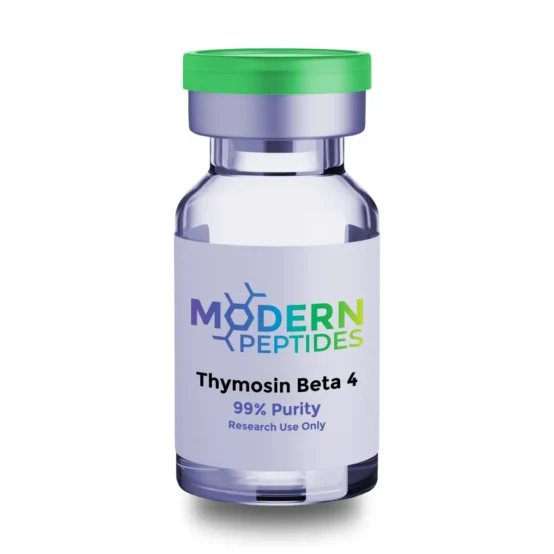
In 2026, Thymosin Beta-4 (TB4) and its synthetic analogue TB-500 are recognized as potent regenerative peptides used primarily for tissue repair, wound healing, and reducing inflammation. While TB4 is the full-length protein naturally found in human cells, TB-500 is a lab-made version designed to mimic its active healing region TB500 (Thymosin Beta 4).
Core Mechanisms & Benefits(TB500 (Thymosin Beta 4))
TB4 functions by regulating actin, a structural protein essential for cell movement and repair. Its primary benefits include:
- Accelerated Tissue Repair: It promotes the regeneration of muscle, tendon, ligament, and skin tissue, making it a popular research tool for sports injuries and post-surgical recovery.
- Angiogenesis: It stimulates the growth of new blood vessels, improving the delivery of oxygen and nutrients to injured or ischemic areas.
- Anti-Inflammatory Properties: It reduces the production of pro-inflammatory cytokines, calming systemic and localized inflammation.
- Cardiovascular & Neuroprotection: Clinical studies investigate its role in repairing heart tissue after a heart attack and protecting neurons following traumatic brain injuries or strokes.
Usage and Administration
In research and experimental therapeutic settings, TB4 and TB-500 are typically handled as follows:- Dosing: Standard protocols often involve 2 mg to 5 mg per week, frequently split into 2–3 subcutaneous injections.
- Titration and Cycling: Users often cycle the peptide, with common protocols lasting 4–8 weeks followed by a “washout” period to maintain effectiveness.
- Storage: Reconstituted vials must be kept refrigerated at 2°C–8°C; unreconstituted lyophilized powder is stable for longer periods in a freezer.
2026 Safety and Regulatory Status
- FDA Status: As of 2026, TB4 and TB-500 are not FDA-approved for general human consumption and are strictly designated for research or off-label use under medical supervision.
- WADA Prohibited List: It is strictly prohibited at all times (in- and out-of-competition) by the World Anti-Doping Agency (WADA) under the category of S2: Peptide Hormones and Growth Factors.
- Contraindications: Use is advised against for individuals with suspected or active cancer, as the promotion of new blood vessels (angiogenesis) could theoretically support tumor growth.
- Common Side Effects: While generally well-tolerated, reported effects include mild fatigue, headaches, dizziness, and injection site irritation.
For further clinical guidance, refer to the Annals of the New York Academy of Sciences for basic and translational research updates.
Be the first to review “TB500 (Thymosin Beta 4)”
Related products
Buy PEPTIDES
$144.00
Buy PEPTIDES
$220.99
Buy PEPTIDES
Buy PEPTIDES
$60.00
Buy PEPTIDES
$178.99
Buy PEPTIDES
$66.00
Buy PEPTIDES
$0.00

Buy PEPTIDES
$200.00
Reviews
There are no reviews yet.