
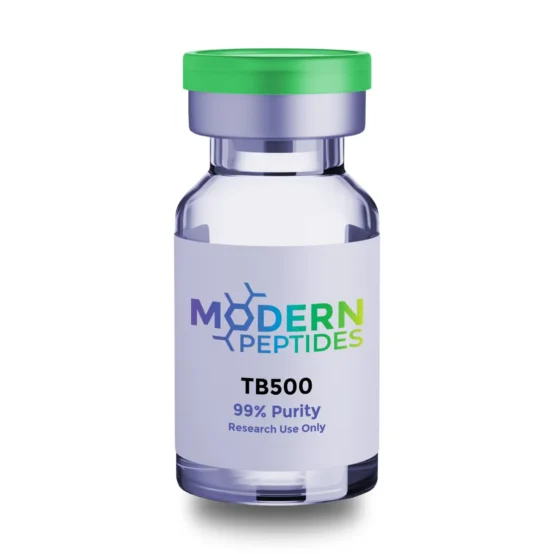
Buy TB500 (Frag 17-23)
In 2026, TB-500 (Frag 17-23) refers to a specific, high-potency synthetic fragment of the naturally occurring protein Thymosin Beta-4 (Tβ4). While the full Tβ4 molecule contains 43 amino acids, the 17-23 fragment is considered the “active region” responsible for the protein’s most powerful regenerative and healing properties.
Core Mechanisms & Benefits
This fragment is specifically engineered to target tissue repair and inflammation without the complexity of the full protein:
- Cellular Migration: It stimulates the movement of repair cells (such as keratinocytes and fibroblasts) to the site of an injury, which is a critical first step in wound healing.
- Angiogenesis: It promotes the formation of new blood vessels, ensuring that damaged tissues (especially tendons and ligaments) receive the oxygen and nutrients needed for recovery.
- Anti-Inflammatory Action: It helps down-regulate pro-inflammatory cytokines, reducing swelling and systemic inflammation.
- Actin Regulation: It binds to actin, a protein essential for cell structure and movement, allowing for more flexible and resilient tissue repair.
Primary Research Uses
-
-
- Connective Tissue Repair: Widely researched for its ability to heal tendons, ligaments, and muscle fibers. It is often used for injuries like rotator cuff tears, Achilles tendonitis, and “tennis elbow.”
- Flexibility & Range of Motion: Used to prevent the formation of excessive scar tissue and adhesions, which can limit joint mobility after an injury.
- Corneal Healing: Specialized research investigates its role in repairing eye injuries and chronic dry eye conditions.
- Cardioprotection: Emerging studies explore its potential to repair cardiac tissue following a myocardial infarction (heart attack).
-
Preparation and Handling
-
- Format: Typically sold in 2mg, 5mg, or 10mg vials as a lyophilized (freeze-dried) powder.
- Reconstitution: Requires Bacteriostatic Water for injection.
- Stability: The 17-23 fragment is highly stable. Once reconstituted, it should be stored in a refrigerator (2°C–8°C) and used within 14–28 days TB500 (Frag 17-23).
- Administration: Usually administered via subcutaneous injection in the abdomen or near the site of injury.
Regulatory and Safety Status (TB500 (Frag 17-23))
- FDA Status: As of 2026, TB-500 (Frag 17-23) is not FDA-approved for human consumption and is designated for “Research Use Only”.
- WADA Status: Strictly prohibited in competitive sports at all times by the World Anti-Doping Agency (WADA) under “S2: Peptide Hormones and Growth Factors.”
- Side Effects: Generally well-tolerated in research, though potential side effects include lethargy, head rushes, and injection site irritation.
For verified research data, refer to the National Library of Medicine (PubMed) or authorized vendors like Peptide Sciences.
-
Be the first to review “TB500 (Frag 17-23)”
Related products
Buy PEPTIDES
$70.00
Buy PEPTIDES
$330.00
Buy PEPTIDES
$55.00
Buy PEPTIDES
$0.00
Buy PEPTIDES
$140.99
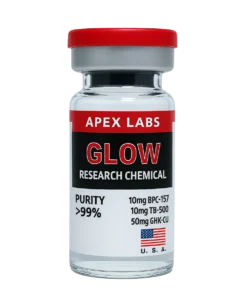
Buy PEPTIDES
$200.00
Buy PEPTIDES
$130.00
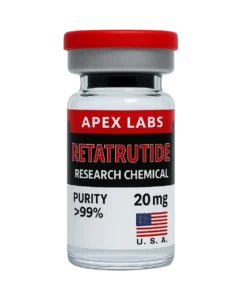
Buy PEPTIDES
$274.99
Reviews
There are no reviews yet.