
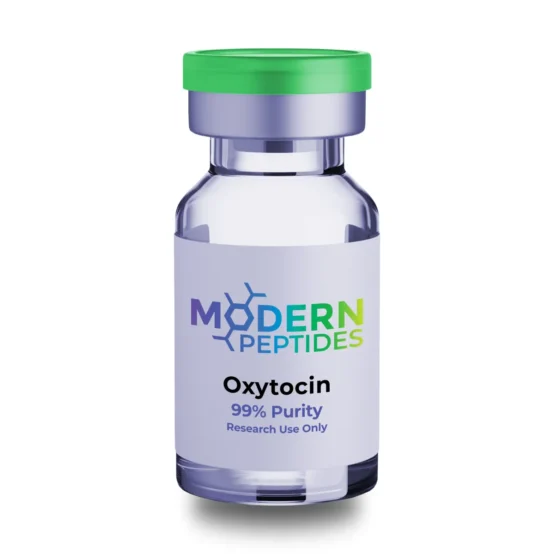
Buy Oxytocin
Oxytocin is recognized as a powerful peptide hormone and neuropeptide produced in the hypothalamus and released by the posterior pituitary gland. Often referred to as the “love hormone” or “bonding molecule,” it plays a fundamental role in human social interaction, reproduction, and emotional regulation.
Core Biological Functions
-
-
- Reproductive Support: Oxytocin is essential for inducing labor by stimulating uterine contractions and is the primary trigger for the “let-down reflex” (milk ejection) during breastfeeding.
- Social Bonding: It facilitates trust, empathy, and social recognition. It is critical for maternal-infant bonding and the formation of romantic attachments.
- Stress Modulation: It acts as a natural buffer against stress by lowering cortisol levels and reducing activity in the amygdala (the brain’s fear center), promoting a sense of calm and security.
-
Clinical and Wellness Uses
-
- Obstetrics: Medical-grade oxytocin (e.g., Pitocin) is used to start or strengthen labor contractions and to control bleeding after childbirth.
- Mental Health Research: It is heavily studied for its potential to improve social skills in individuals with Autism Spectrum Disorder (ASD) and to alleviate symptoms of Social Anxiety Disorder and PTSD.
- Sexual Wellness: In wellness clinics, oxytocin is sometimes prescribed (often as a nasal spray or troche) to enhance libido, improve sexual satisfaction, and foster emotional intimacy between partners.
- Metabolic Health: Emerging research in 2026 investigates oxytocin’s role in suppressing appetite and improving glucose metabolism, potentially aiding in weight management.
Administration Methods
- Intravenous (IV) / Intramuscular (IM): The standard for hospital-based obstetric care.
- Intranasal Spray: The preferred method for psychiatric and wellness applications, as it allows the peptide to bypass the blood-brain barrier more effectively to target the central nervous system.
- Sublingual Troches: Dissolvable lozenges used in some wellness protocols for gradual absorption.
Safety and Side Effects
- Physical Effects: High doses can cause nausea, vomiting, or water retention.
- Psychological Effects: While it promotes bonding within a “group,” some studies suggest it may unintentionally increase “out-group” defensive behaviors or envy in certain contexts.
- Regulation: Oxytocin is a prescription-only medication.
For detailed medical information, refer to the Mayo Clinic guide on Oxytocin or the FDA’s drug information database.
- Obstetrics: Medical-grade oxytocin (e.g., Pitocin) is used to start or strengthen labor contractions and to control bleeding after childbirth.
Be the first to review “Oxytocin”
Related products
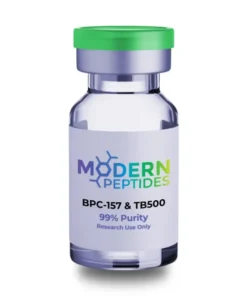
Buy PEPTIDES
$60.00

Buy PEPTIDES
$220.99
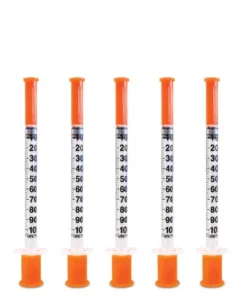
$14.99
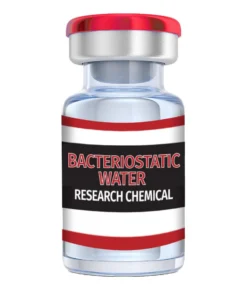
Buy PEPTIDES
$29.00
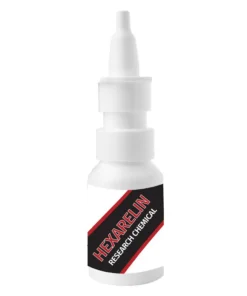
Buy PEPTIDES
$60.00
Buy PEPTIDES
$0.00
Buy PEPTIDES
$66.00
Buy PEPTIDES
$125.99
Reviews
There are no reviews yet.