
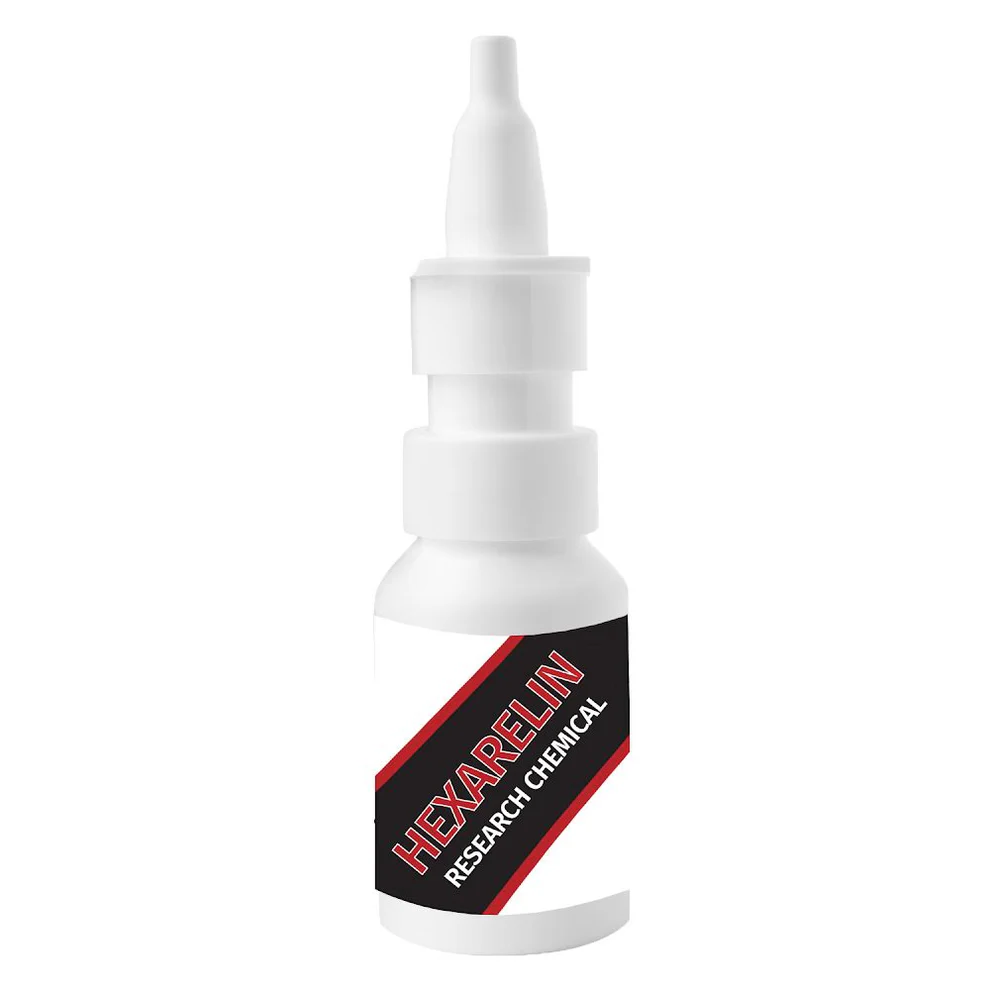
BUY HEXARELIN | 4mg
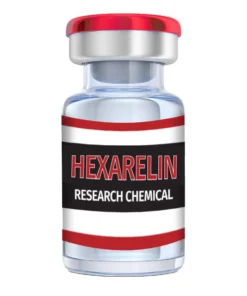
Hexarelin is a synthetic hexapeptide and a potent growth hormone secretagogue (GHS) primarily used in clinical research to stimulate the natural production of growth hormone (GH). HEXARELIN | 4mg In 2026, it remains a “research-only” compound in many jurisdictions, meaning it is not FDA-approved for human consumption but is widely studied for its anabolic and cardioprotective properties.
Core Mechanisms & Benefits
Hexarelin works by mimicking ghrelin and binding to the Growth Hormone Secretagogue Receptor (GHS-R1a) in the pituitary and hypothalamus.
- GH Stimulation: It is one of the most powerful peptides for inducing GH release, HEXARELIN | 4mg often showing higher potency than GHRP-2 or GHRP-6.
- Cardioprotection: Uniquely among GHS peptides, it binds to the CD36 receptor in the heart, showing potential to protect cardiac tissue from ischemia, reduce fibrosis, and improve left ventricular function.
- Body Composition: It promotes lean muscle mass development, fat metabolism (lipolysis), and improved bone mineral density.
- Neuroprotection: Emerging 2026 research investigates its role in promoting hippocampal cell survival and neurogenesis.
Usage and Dosing (Research Context)
In research settings, Hexarelin is commonly supplied in 2mg vials of lyophilized (freeze-dried) powder.
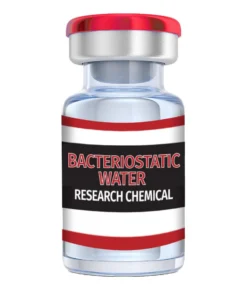
- Reconstitution: Requires Bacteriostatic Water for injection; once reconstituted, it must be stored at 2°C to 8°C and used within a short period.
- Standard Research Doses: Human clinical trials have typically utilized doses around 1–2 µg/kg of body weight, administered via subcutaneous injection.
- Desensitization: A critical characteristic of Hexarelin is rapid receptor desensitization (tachyphylaxis). If used daily without breaks, its ability to stimulate GH release diminishes quickly.
Side Effects & Safety
- Hormonal Spikes: Can cause transient increases in prolactin, ACTH, and cortisol, though usually less so than GHRP-6.
- Common Effects: Mild water retention, tingling in extremities, and increased appetite (though less significant than ghrelin-mimics).
- Legal Status: In 2026, it is generally prohibited by the World Anti-Doping Agency (WADA) for use in competitive sports.
Be the first to review “HEXARELIN | 4mg”
Related products
Buy PEPTIDES
$29.00
Buy PEPTIDES
$0.00
Buy PEPTIDES
$68.00
Buy PEPTIDES
$55.00
Buy PEPTIDES
$60.00
Buy PEPTIDES
$67.00
Buy PEPTIDES
$40.00
Buy PEPTIDES
$330.00
Reviews
There are no reviews yet.