
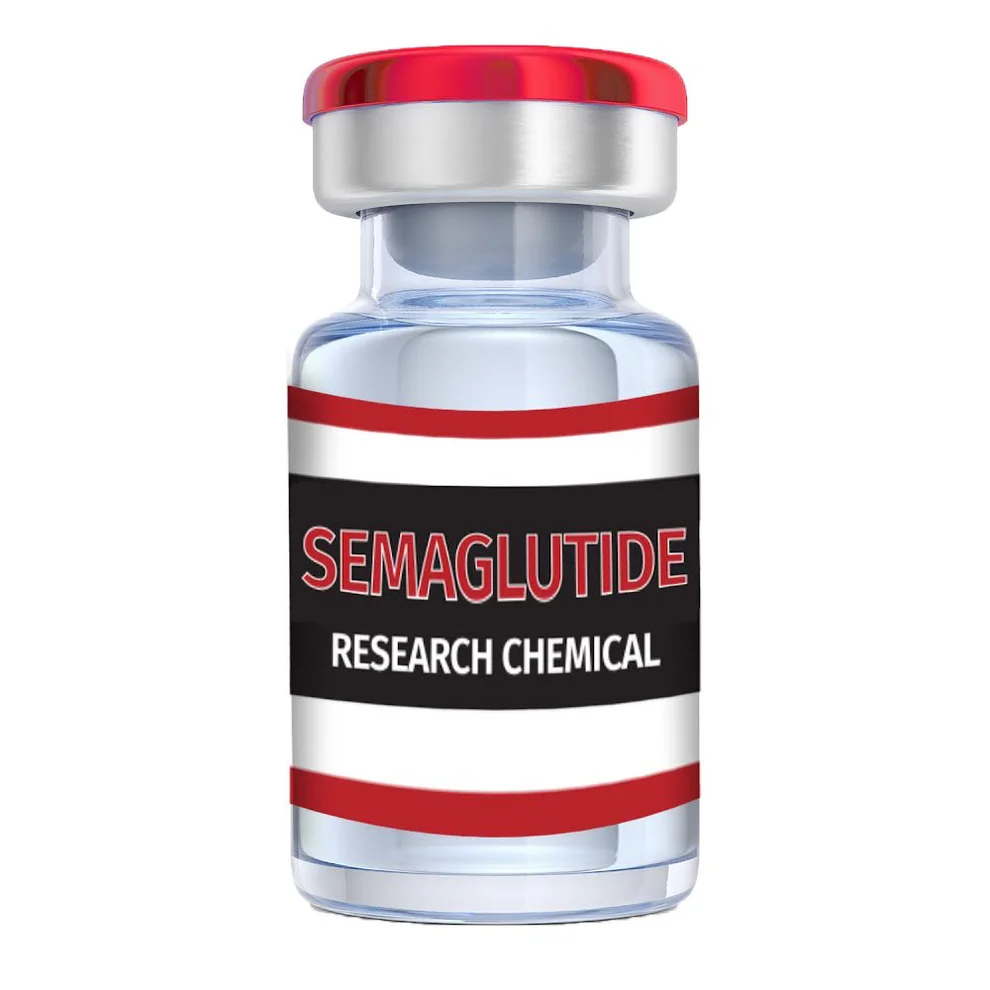

Buy GLP 1 SEMA | 10mg
GLP-1 SEMA | 10mg refers to a high-concentration vial of Semaglutide, a potent glucagon-like peptide-1 (GLP-1) receptor agonist. While Semaglutide is globally recognized under brand names like Ozempic, Wegovy, and Rybelsus, 10mg vials are typically found in research or compounding settings for long-term metabolic and weight management studies.
Core Mechanisms & Benefits
Semaglutide mimics the natural GLP-1 hormone released in the gut after eating. Its primary functions include:
- Appetite Suppression: It targets brain centers that regulate hunger, signaling fullness and reducing cravings.
- Sustained Weight Loss: Clinical trials have consistently shown that participants can lose between 15% and 20% of their total body weight over 68 weeks when combined with lifestyle changes.
- Metabolic Improvements: It stimulates insulin production and suppresses glucagon, lowering blood sugar levels. In late 2025, the FDA also expanded its approved uses to include treatment for MASH (liver fibrosis) and the reduction of major cardiovascular risks.
Reconstitution & HandlingA 10mg vial is supplied as a lyophilized (freeze-dried) powder that requires precise preparation before use:
- Solvent: Typically reconstituted with Bacteriostatic Water or sterile saline.
- Mixing: Add the diluent slowly against the vial wall and swirl gently; vigorous shaking can degrade the peptide.
- Storage: Once reconstituted, the solution must be refrigerated at 2°C–8°C (36°F–46°F).
- Stability: In a multi-dose setting, reconstituted Semaglutide is generally stable for 28 days if kept refrigerated.
Administration and Dosing
- Frequency: Administered via subcutaneous injection once per week, ideally on the same day and at the same time.
- Common Sites: Injections are usually given in the abdomen, thigh, or upper arm.
- New Oral Options: As of early January 2026, once-daily Wegovy oral tablets (25mg) have launched in the U.S., offering a non-injectable alternative for those preffering pills.
Safety & Regulatory Status
- Side Effects: Most common are gastrointestinal issues, including nausea, vomiting, diarrhea, and constipation.
Be the first to review “GLP 1 SEMA | 10mg”
Related products
Buy PEPTIDES
$125.99
Buy PEPTIDES
$60.00
Buy PEPTIDES
$40.00
Buy PEPTIDES
$68.00
Buy PEPTIDES
$140.99
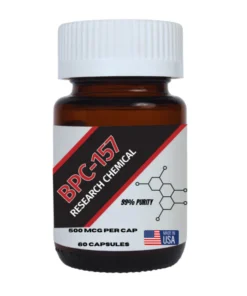
Buy PEPTIDES
$144.00
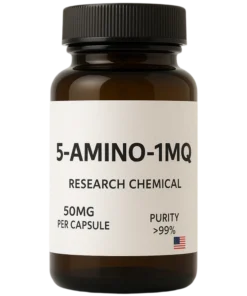
Buy PEPTIDES
$180.00
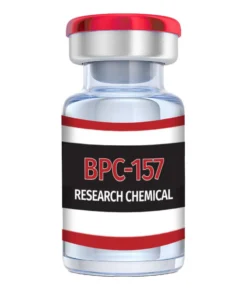
Buy PEPTIDES
$67.00
Reviews
There are no reviews yet.