
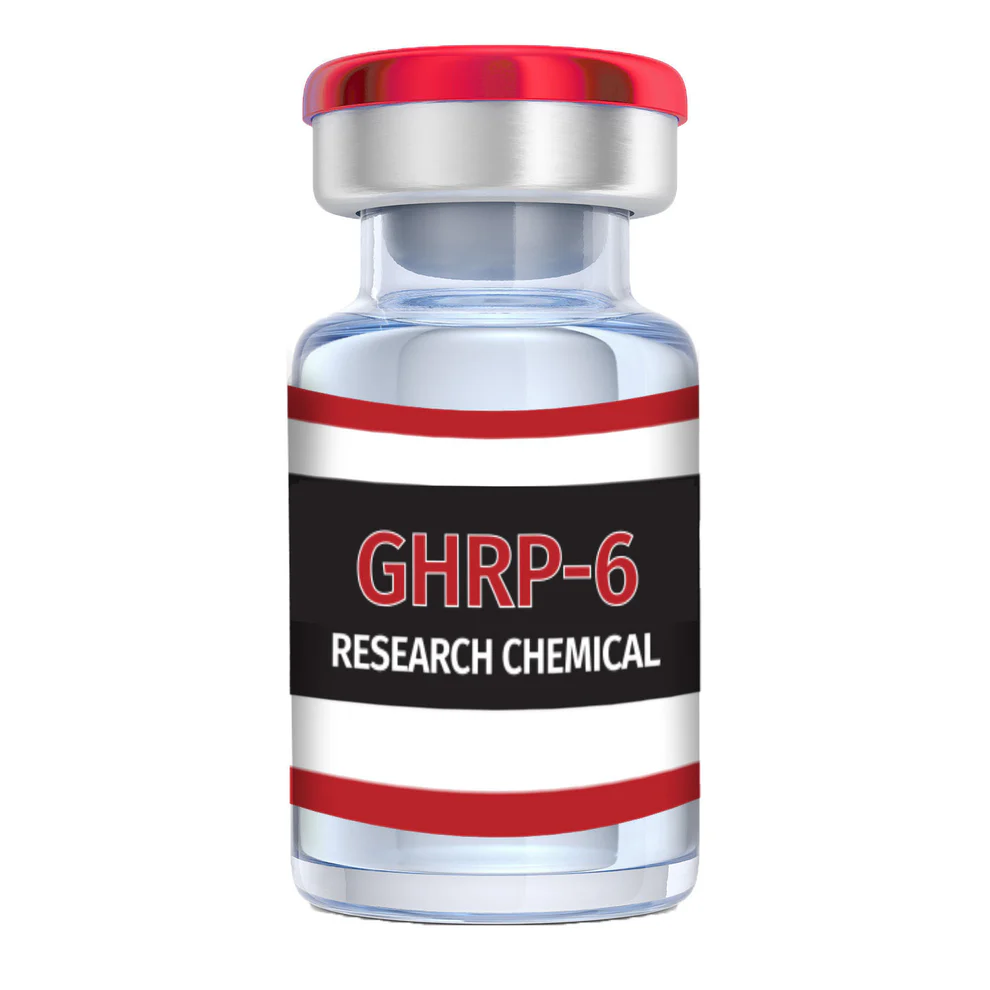
BUY GHRP 6 | 5mg
GHRP-6 (Growth Hormone Releasing Peptide-6) is a synthetic hexapeptide that is researched for its ability to stimulate growth hormone (GH) secretion and its impact on appetite GHRP 6 | 5mg.
Core Functions and Mechanisms
- GH Stimulation: GHRP-6 interacts with the pituitary gland and hypothalamus by mimicking ghrelin GHRP 6 | 5mg. It binds to the Growth Hormone Secretagogue Receptor (GHS-R1a), which can trigger a pulsatile release of endogenous GH.
- Appetite Regulation: GHRP-6 is known to stimulate hunger through ghrelin receptor activation.
- Cardioprotection: Research suggests it may bind to CD36 receptors, potentially offering protection to heart tissue from oxidative stress, reducing inflammation, and possibly preventing myocardial damage during ischemia.
- Anabolic Effects: It is studied for its potential to enhance protein synthesis, promote lean muscle growth, and accelerate the repair of connective tissues and joints.
Administration and Research
-
- Increased Hunger: This is a commonly reported effect.
- Hormonal Spikes: It may lead to temporary increases in prolactin and cortisol levels.
- Physical Effects: Some individuals may experience mild water retention or tingling sensations.
- Regulatory Status: GHRP-6 is prohibited in competitive sports by the World Anti-Doping Agency (WADA) and is typically sold for laboratory research purposes only, not for human consumption. Preparation: GHRP-6 is typically provided as a lyophilized powder that requires reconstitution
- Storage: Once reconstituted, it is generally recommended to store it at refrigerated temperatures.
Side Effects and Safety -
GHRP-6 (Growth Hormone Releasing Peptide-6) is a synthetic peptide with various biological effects that make it important in research and clinical contexts. Its significance extends beyond its primary role in stimulating growth hormone release to include potential cardioprotective, metabolic, and tissue-repair properties.1. Growth Hormone StimulationGHRP-6 acts as an agonist for the ghrelin receptor (GHS-R1a), which triggers the pituitary gland to release endogenous growth hormone (GH) in a pulsatile manner. This process is understood to be involved in:
- Muscle Growth: Supporting protein synthesis and the development of lean muscle mass.
- Anti-Aging Research: Investigating effects on skin elasticity, bone density, and cellular regeneration.
Be the first to review “GHRP 6 | 5mg”
Related products
Buy PEPTIDES
$330.00
Buy PEPTIDES
$180.00
Buy PEPTIDES
Buy PEPTIDES
$66.00
Buy PEPTIDES
$0.00
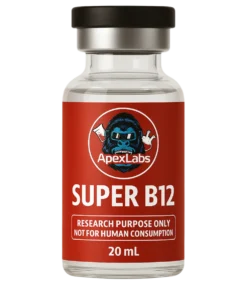
Buy PEPTIDES
$70.00
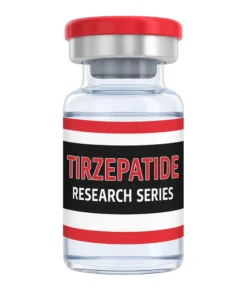
Buy PEPTIDES
$220.00
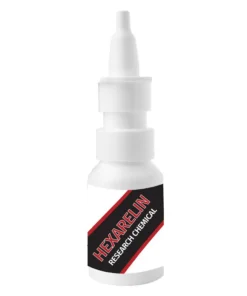
Buy PEPTIDES
$60.00
Reviews
There are no reviews yet.