

Buy BPC-157
BPC-157 (Body Protection Compound-157) is a synthetic peptide composed of 15 amino acids, derived from a protective protein naturally found in human gastric juice. It is primarily recognized for its potent regenerative and healing properties across various tissues.
Core Mechanisms & Benefits
- Angiogenesis: It stimulates the formation of new blood vessels, which is critical for delivering oxygen and nutrients to damaged areas, especially “hypovascular” tissues (like tendons) that naturally heal slowly.
- Tendon and Ligament Repair: It increases the expression of growth hormone receptors in fibroblasts, accelerating the healing of tears, strains, and chronic injuries (e.g., Achilles tendonitis or rotator cuff tears).
- Gastrointestinal Healing: It is widely studied for its ability to repair the gut lining, showing efficacy in treating Leaky Gut, Irritable Bowel Disease (IBD), and gastric ulcers.
- Anti-Inflammatory Effects: It modulates the inflammatory response, particularly in the gut-brain axis, without the side effects associated with traditional NSAIDs.
- Neuroprotection: Emerging 2026 research investigates its role in protecting brain tissue from toxicity and assisting in peripheral nerve repair
Administration and Handling
- Injectable Form: Most research utilizes lyophilized (freeze-dried) powder reconstituted with Bacteriostatic Water for subcutaneous or intramuscular injection.
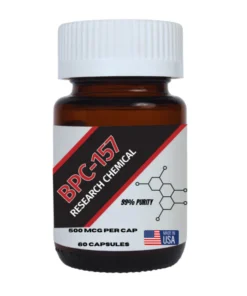
- Oral Form: Unlike many peptides, BPC-157 is stable in gastric acid, making capsules a viable option for localized gut issues.
- Storage: Reconstituted liquid must be kept refrigerated (2°C–8°C) to maintain stability.
Safety and Regulatory Status
- FDA Status: As of 2026, BPC-157 is not FDA-approved for human consumption. It remains on the FDA’s “Category 2” list, which restricts compounding pharmacies from distributing it for general use due to a lack of long-term human clinical data.
- WADA Status: It is strictly prohibited at all times (in and out of competition) by the World Anti-Doping Agency (WADA) under the category of “Non-Approved Substances.”
- Side Effects: While generally reported as well-tolerated in animal models, potential side effects in humans include nausea, dizziness, and injection site irritation.
For clinical information, the Mayo Clinic and Cleveland Clinic provide guides on
regenerative medicine and injury recovery.
Be the first to review “BPC-157 (Tablets)”
Related products
Buy PEPTIDES
$66.00
Buy PEPTIDES
$180.00
Buy PEPTIDES
$144.00
Buy PEPTIDES
$67.00
Buy PEPTIDES
$70.00
Buy PEPTIDES
$60.00
Buy PEPTIDES
$60.00
Buy PEPTIDES
Reviews
There are no reviews yet.