
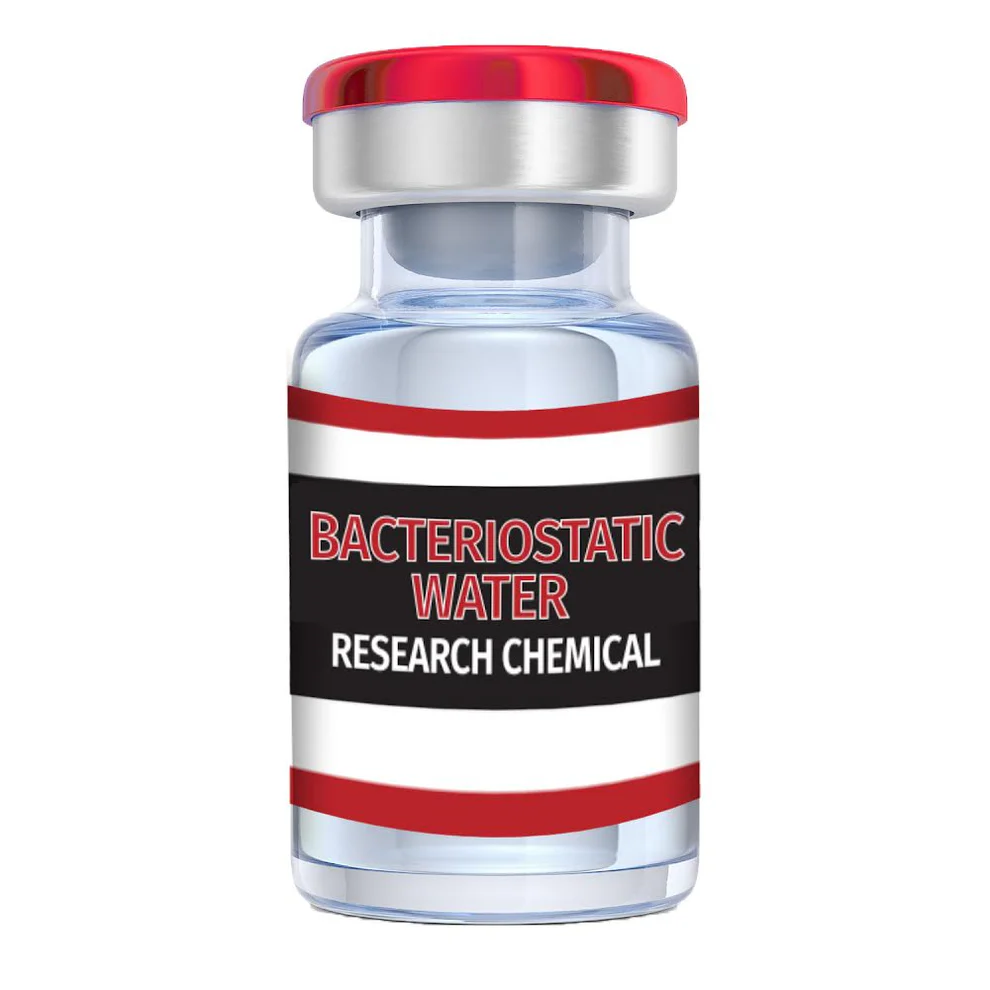
BUY BACTERIOSTATIC WATER
Bacteriostatic Water for Injection (USP) is a highly purified, sterile water solution containing 0.9% (9 mg/mL) benzyl alcohol. This benzyl alcohol acts as a preservative that inhibits the growth of bacteria, making the water suitable for multiple entries into the same vial over time.
Core Uses in 2026
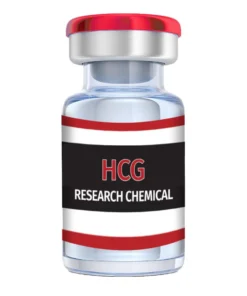
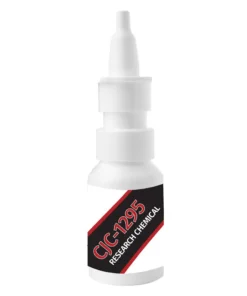
- Reconstitution of Medications: It is primarily used to dissolve lyophilized (freeze-dried) powders, such as peptides (e.g., BPC-157, CJC-1295), hormones (HCG, growth hormone), and certain antibiotics into an injectable liquid form.
- Multi-Dose Utility: Unlike standard sterile water, which must be discarded immediately after a single use, bacteriostatic water allows for repeated withdrawals from a single vial for up to 28 days after the initial puncture.
- Diluent for Injections: It serves as a vehicle for intramuscular (IM), subcutaneous (SC), and occasionally intravenous (IV) injections.
Handling and Storage Protocols
-
- Neonatal Warning: Bacteriostatic water is strictly prohibited for use in newborns (neonates) because benzyl alcohol can be toxic and lead to serious neurological complications.
- Alcohol Allergy: Individuals with a known allergy to benzyl alcohol must use preservative-free sterile water instead.
- Injection Caution: Bacteriostatic water should never be injected alone without being mixed with medication; doing so can cause hemolysis (rupturing of red blood cells). The 28-Day Rule: Once the vial stopper is punctured, the preservative is guaranteed to be effective for only 28 days. Users must label the vial with the date of first puncture and discard any remaining liquid after this period.
- Storage Temperature: Unopened vials should be stored at controlled room temperature between 20°C and 25°C (68°F–77°F).
- Light Sensitivity: Vials should be kept away from direct sunlight and stored in a dark place or their original packaging to prevent degradation of the benzyl alcohol.
- Peptide Stability: While the water itself is stable at room temperature, once it is mixed with a peptide, the resulting solution generally requires refrigeration (2°C–8°C) to maintain the fragile peptide’s integrity.
Safety and Restrictions
- Neonatal Warning: Bacteriostatic water is strictly prohibited for use in newborns (neonates) because benzyl alcohol can be toxic and lead to serious neurological complications.
- Alcohol Allergy: Individuals with a known allergy to benzyl alcohol must use preservative-free sterile water instead.
- Injection Caution: Bacteriostatic water should never be injected alone without being mixed with medication; doing so can cause hemolysis (rupturing of red blood cells)
Be the first to review “BACTERIOSTATIC WATER”
Related products
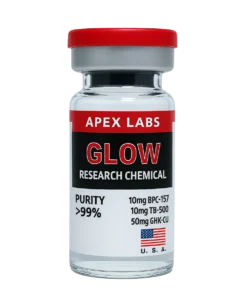
Buy PEPTIDES
$60.00
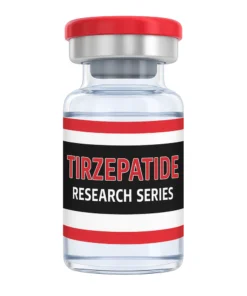
Buy PEPTIDES
$200.00
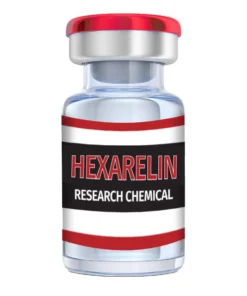
Buy PEPTIDES
$140.99
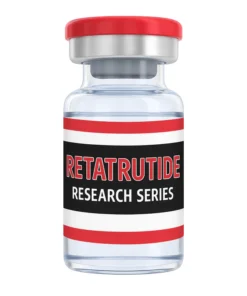
Buy PEPTIDES
$55.00
Buy PEPTIDES
$330.00
Buy PEPTIDES
$180.00
Buy PEPTIDES
$68.00
Buy PEPTIDES
$66.00
Reviews
There are no reviews yet.