
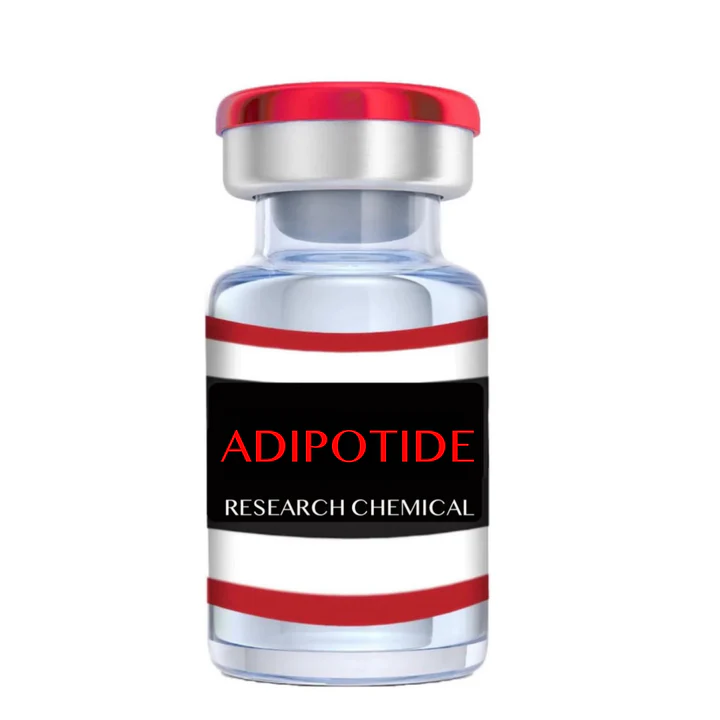
BUY Adipotide (AOD9604) | 5MG
Adipotide (FTPP) and AOD-9604 are o distinct synthetic peptides often discussed in metabolic and fat-loss research. While both are sold in 5mg vials for laboratory use, they have completely different mechanisms of action.
1. AOD-9604 (Advanced Obesity Drug)
AOD-9604 is a synthetic peptide fragment derived from the C-terminal end of human growth hormone (HGH), specifically residues 177–191.
- Primary Function: It mimics HGH’s ability to stimulate lipolysis (fat breakdown) and inhibit lipogenesis (fat storage).
- Key Advantage: Unlike full HGH, it does not significantly elevate IGF-1 levels or negatively impact blood sugar and insulin sensitivity.
- Research Uses: Beyond weight management | 5MG, it is studied for its potential to support cartilage repair and bone health, particularly in osteoarthritis models.
- Status (2026): It is generally recognized for its excellent safety profile in trials involving over 900 participants, though large-scale human efficacy results have been mixed.
2. Adipotide (FTPP – Fat Targeted Proapoptotic Peptide)
Adipotide is a “peptidomimetic” designed for more aggressive fat reduction through apoptosis (programmed cell death).- Mechanism of Action: It targets specific receptors (Prohibitin and Annexin A2) found in the blood vessels that supply white adipose tissue By cutting off the blood supply, it causes the fat cells to undergo cell death and be reabsorbed by the body.
- Efficacy: Preclinical studies in obese monkeys showed up to a 38% reduction in total body fat over 9 weeks.
- Side Effects: Research indicates potential renal Adipotide (AOD9604) | 5MG (kidney) toxicity, which is generally described as mild and reversible in controlled settings but remains a major focus of safety investigations.
Comparison Table
Feature AOD-9604 Adipotide (FTPP) Primary Goal Fat metabolism & oxidation Fat cell death (apoptosis) Mechanism Mimics HGH fat-burning Starves fat cells of blood Safety Profile Very high; few reported side effects Lower; possible kidney stress Administration Subcutaneous, oral, or nasal Primarily subcutaneous research Banned Status Prohibited by WADA Prohibited by WADA Important Regulatory Note (2026)
In 2026, both compounds are strictly for “Research Use Only” and are not FDA-approved for human consumption as prescription medications. They are also banned for use by athletes under the World Anti-Doping Agency (WADA) guidelines.
Be the first to review “Adipotide (AOD9604) | 5MG”
Related products
Buy PEPTIDES
$55.00
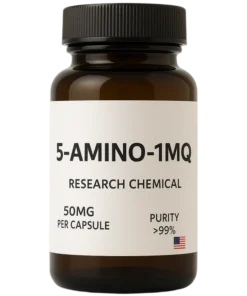
Buy PEPTIDES
$178.99
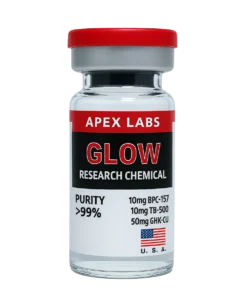
Buy PEPTIDES
$200.00
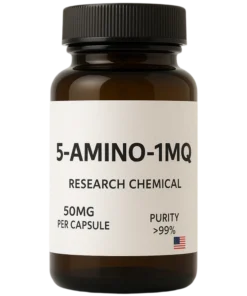
Buy PEPTIDES
$180.00
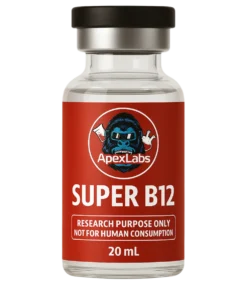
Buy PEPTIDES
$70.00
Buy PEPTIDES
$144.00
Buy PEPTIDES
$67.00
Buy PEPTIDES
$66.00
Reviews
There are no reviews yet.