
are peptide injections dangerous
the safety of peptide injections depends entirely on the source of the peptide, the medical supervision involved, and the specific compound being used. While many peptides have excellent safety profiles, certain practices carry significant risks.
1. The Primary Risks in 2026
- Unregulated Sourcing: The greatest danger comes from “research chemicals” or “gray market” peptides. In late 2025 and early 2026, the FDA intensified its warnings against these sources because they may contain heavy metals, bacterial contaminants, or incorrect dosages.
- Immunogenicity: Some synthetic peptides can cause the body to develop antibodies against them. This can lead to allergic reactions or, in rare cases, cause the body to attack its own naturally occurring hormones.
- Side Effects: Even pharmaceutical-grade peptides have side effects. For example:
- GLP-1s (Semaglutide/Tirzepatide): Can cause severe gastrointestinal distress, pancreatitis, or gallbladder issues.
- Growth Hormone Secretagogues: May increase cortisol and prolactin or lead to insulin resistance if used improperly.
2. Injection SafetyInjections themselves are generally safe if proper sterile techniques are used. Risks include:
- Infection: Using non-sterile water or reusing needles can cause abscesses or systemic infections.
- Site Reactions: Redness, itching, or “lumps” at the injection site are common.
- Incorrect Administration: Injecting a subcutaneous peptide into a vein or muscle can change the absorption rate and cause adverse reactions.
3. Regulatory Status (2026 Update)- FDA “Category 2”: The FDA has restricted compounding pharmacies from producing several popular peptides (including BPC-157, GHK-Cu, and Ipamorelin) due to a lack of long-term human safety data. Using these outside of a clinical trial in 2026 is
- considered “at your own risk.”
- WADA Banned List: Most performance-enhancing peptides are strictly prohibited for athletes by the World Anti-Doping Agency (WADA).
How to Minimize Risk- Work with a Doctor: Only use peptides prescribed by a licensed physician who monitors your blood work
Summary: Peptide injections are not inherently “dangerous” when used as FDA-approved medications (like Insulin or Zepbound) under a doctor’s care. They become dangerous when self-prescribed, incorrectly dosed, or sourced from unregulated manufacturers.
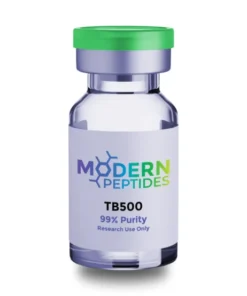
Buy PEPTIDES
$55.00